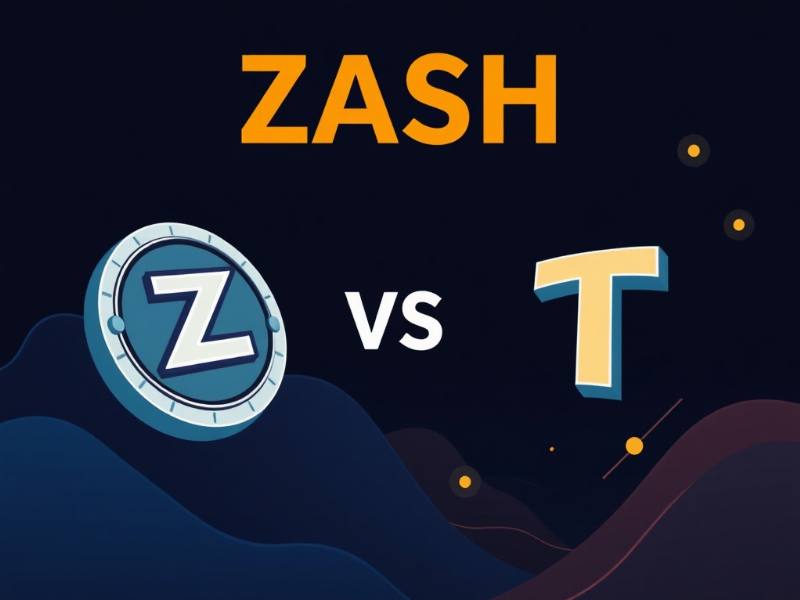
Understanding Zcash z-addr vs t-addr: A Comprehensive Guide for YoMix Users
The world of cryptocurrency is constantly evolving, and Zcash has emerged as a key player in the realm of privacy-focused digital currencies. For users of platforms like YoMix, understanding the nuances of Zcash addresses—specifically the distinction between Zcash z-addr and Zcash t-addr—is crucial. These address types serve different purposes and come with unique implications for privacy, security, and transaction efficiency. This article will delve into the differences between Zcash z-addr and t-addr, explore their use cases, and provide actionable insights for YoMix users seeking to optimize their interactions with Zcash.
What Are Zcash Addresses and Why Do They Matter?
Zcash addresses are the digital identifiers used to send and receive Zcash (ZEC) transactions. Unlike Bitcoin, which uses a single address type, Zcash offers two distinct address formats: z-addr and t-addr. Each type is designed to cater to different user needs, particularly in terms of privacy and transparency. For YoMix users, who often prioritize anonymity, the choice between these addresses can significantly impact their experience.
The Role of Zcash in Privacy and Anonymity
Zcash was created with a primary goal of enhancing privacy in blockchain transactions. It achieves this through zero-knowledge proofs, which allow users to verify transactions without revealing sensitive details. This feature makes Zcash an attractive option for users who value discretion. However, the level of privacy depends on the address type used. A Zcash z-addr is associated with transparent transactions, while a Zcash t-addr is linked to shielded transactions. Understanding this distinction is essential for anyone using YoMix or similar platforms.
Understanding Address Types in Zcash
Zcash addresses are not one-size-fits-all. The Zcash z-addr is a standard address that operates on the transparent blockchain, meaning all transactions are publicly visible. In contrast, the Zcash t-addr is tied to shielded transactions, which are encrypted and only visible to the sender and receiver. This encryption is achieved through zk-SNARKs (zero-knowledge succinct non-interactive arguments of knowledge), a cryptographic technique that ensures privacy without compromising the integrity of the blockchain.
Zcash z-addr vs t-addr: Key Differences and Use Cases
The debate between Zcash z-addr and Zcash t-addr often centers on privacy, cost, and usability. For YoMix users, these differences can influence how they manage their funds and interact with the platform. Let’s break down the key aspects of each address type to clarify their roles and applications.
What is a z-addr?
A Zcash z-addr is a standard address that functions similarly to a Bitcoin address. Transactions sent to a z-addr are recorded on the transparent blockchain, meaning anyone can view the sender, receiver, and amount. This transparency is a double-edged sword: while it ensures accountability, it also exposes users to potential privacy risks. For YoMix users who prioritize anonymity, a z-addr may not be the ideal choice unless they are comfortable with public transaction records.
What is a t-addr?
A Zcash t-addr is designed for shielded transactions, which are encrypted using zk-SNARKs. This means that while the transaction is recorded on the blockchain, the details—such as the sender, receiver, and amount—are hidden. Only the parties involved in the transaction can decrypt the information. For users of YoMix, this level of privacy is often a key selling point, as it reduces the risk of their financial activities being traced or monitored.
When to Use z-addr vs t-addr
The decision to use a Zcash z-addr or Zcash t-addr depends on the user’s specific needs. If a YoMix user is conducting a transaction that requires full transparency—such as a business payment or a donation—they might opt for a z-addr. However, for personal or sensitive transactions, a t-addr is generally recommended. It’s also worth noting that using a t-addr may incur higher fees due to the computational resources required for encryption. Users should weigh these costs against their privacy requirements before making a choice.
Security Implications of z-addr and t-addr
Security is a paramount concern for any cryptocurrency user, and the choice between Zcash z-addr and Zcash t-addr can have significant implications. While both address types are secure in their own right, they offer different levels of protection against potential threats. For YoMix users, understanding these security aspects is vital to safeguarding their assets.
Privacy Risks Associated with Each Address Type
The Zcash z-addr poses a higher risk of privacy exposure because all transactions are public. If a user’s z-addr is linked to their identity, it could be used to trace their financial activities. This is particularly concerning for YoMix users who may be using the platform to obfuscate their transactions. On the other hand, the Zcash t-addr mitigates this risk by encrypting transaction details. However, it’s important to note that the security of a t-addr also depends on the user’s ability to manage their private keys correctly. A compromised private key could still expose the user’s funds, regardless of the address type.
How YoMix Users Can Mitigate Risks
For YoMix users, the key to minimizing risks lies in proper address management. Using a Zcash t-addr for sensitive transactions can enhance privacy, but users must ensure they are not reusing addresses or sharing them publicly. Additionally, employing a mix of address types—such as using z-addr for transparent transactions and t-addr for private ones—can provide a balanced approach. It’s also advisable to use hardware wallets or secure storage solutions to protect private keys, as this reduces the likelihood of unauthorized access.
Best Practices for Using Zcash Addresses in YoMix
To maximize the benefits of Zcash addresses while minimizing risks, YoMix users should follow best practices tailored to their specific use cases. Whether they are using a Zcash z-addr or Zcash t-addr, adhering to these guidelines can enhance both security and efficiency.
Choosing the Right Address for Your Needs
The first step in using Zcash addresses effectively is to determine which type aligns with your goals. If you need transparency, a Zcash z-addr is suitable. However, for privacy-focused activities, a Zcash t-addr is the better option. YoMix users should also consider the frequency of their transactions. For example, if they are making multiple small transactions, using a t-addr might be more practical due to its privacy features. Conversely, for larger, less sensitive transactions, a z-addr could be more cost-effective.
Tips for Secure Transactions
Security should always be a priority when dealing with cryptocurrency. Here are some tips for YoMix users:
Never share your private keys: This is non-negotiable. Even with a t-addr, a compromised private key can lead to fund loss.
Use unique addresses for each transaction: Reusing addresses can increase the risk of tracking.
Verify recipient addresses: Double-check the address before sending funds to avoid irreversible mistakes.
Monitor transaction activity: Regularly check your Zcash balances and transaction history for any anomalies.
By following these practices, YoMix users can ensure that their use of Zcash z-addr or Zcash t-addr remains secure and efficient.
Conclusion: Making Informed Decisions with Zcash Addresses
In the context of YoMix and other privacy-focused platforms, the choice between Zcash z-addr and Zcash t-addr is not just a technical decision—it’s a strategic one. Each address type offers distinct advantages and trade-offs, and the right choice depends on the user’s priorities. For those who value transparency, a z-addr may suffice. For those who prioritize anonymity, a t-addr is often the better option. However, regardless of the address type chosen, users must remain vigilant about security practices to protect their assets.
As the cryptocurrency landscape continues to evolve, staying informed about tools like Zcash and their address systems is essential. For YoMix users, understanding the differences between Zcash z-addr and Zcash t-addr can empower them to make smarter decisions, enhance their privacy, and navigate the complexities of digital finance with confidence.
Discover the privacy battle between Samourai and Blockstream Green. Compare security features, anonymity levels, and transaction safety for Bitcoin users seeking secure crypto transfers.
Explore Wasabi vs Bull Bitcoin privacy. Compare decentralized mixing solutions for anonymity. Discover which offers superior security and privacy features.
Explore flat fee vs dynamic mixer pricing models for Bitcoin transactions. Discover which strategy offers better privacy, cost-efficiency, and scalability for your crypto needs.
Discover the key differences between Bitcoin mixer vs privacy sidechain in securing crypto anonymity. Learn which offers better privacy, security, and usability in the evolving crypto ecosystem.
Sep 15, 2026 · 9 min
Ready to mix your coins?
It will take only a few minutes to upgrade your privacy