Regulatory Arbitrage Crypto Mixers: Understanding the Legal and Technical Implications
In the rapidly evolving world of cryptocurrency, regulatory arbitrage crypto mixers have emerged as a complex and controversial topic. These tools, often used to obscure transaction trails, are increasingly scrutinized by regulators and financial institutions. As governments grapple with the challenges of cryptocurrency oversight, the concept of regulatory arbitrage—exploiting differences in legal frameworks across jurisdictions—has become a focal point for both users and policymakers. This article explores the mechanics, risks, and implications of regulatory arbitrage in the context of crypto mixers, offering a comprehensive analysis of how these tools operate within a fragmented regulatory landscape.
What Are Regulatory Arbitrage Crypto Mixers?
To grasp the concept of regulatory arbitrage crypto mixers, it is essential to first define the key components. A crypto mixer, also known as a tumbler, is a service that obscures the origin of cryptocurrency transactions by breaking down and recombining funds. This process makes it difficult to trace the flow of money, which can be appealing for users seeking privacy. However, when combined with regulatory arbitrage—the practice of exploiting legal differences between countries—these mixers can become tools for circumventing financial regulations.
The Mechanics of Regulatory Arbitrage
Regulatory arbitrage occurs when individuals or entities take advantage of varying legal standards across jurisdictions. For example, a user might send cryptocurrency through a mixer based in a country with lax anti-money laundering (AML) laws, then transfer the funds to a jurisdiction with stricter regulations. This strategy allows users to avoid compliance requirements in one region while operating under different rules in another. In the context of crypto mixers, this could involve using services that are not subject to the same oversight as those in more regulated markets.
How Crypto Mixers Facilitate Regulatory Arbitrage
Crypto mixers play a critical role in enabling regulatory arbitrage by providing a layer of anonymity. When a user sends funds through a mixer, the transaction is fragmented and mixed with other transactions, making it nearly impossible to trace the original source. This anonymity can be exploited to bypass regulatory checks in jurisdictions with strict reporting requirements. For instance, a user might send Bitcoin through a mixer in a country that does not require transaction reporting, then move the funds to a country where such reporting is mandatory. The mixer effectively acts as a shield, allowing the user to navigate different regulatory environments.
The Role of Crypto Mixers in Regulatory Arbitrage
Crypto mixers are not inherently illegal, but their use in regulatory arbitrage raises significant legal and ethical concerns. These services are often marketed as privacy tools, but their potential for misuse has led to increased scrutiny. Regulators are increasingly targeting mixers that facilitate transactions in jurisdictions with weak oversight, arguing that such practices undermine financial stability and enable illicit activities.
Types of Crypto Mixers and Their Regulatory Status
Not all crypto mixers are created equal. Some operate in a legal gray area, while others are explicitly banned in certain countries. For example, mixers based in jurisdictions with minimal regulatory oversight may be more susceptible to being used for regulatory arbitrage. Conversely, mixers that comply with local laws, such as those requiring user identification or transaction reporting, are less likely to be exploited in this manner. Understanding the regulatory status of a mixer is crucial for users and regulators alike.
The Global Regulatory Landscape
The regulatory environment for crypto mixers varies widely across the globe. In the European Union, for instance, the Fifth Anti-Money Laundering Directive (5AMLD) imposes strict requirements on cryptocurrency service providers, including mixers. In contrast, some countries in Asia and the Caribbean have more lenient regulations, making them attractive hubs for mixers that facilitate regulatory arbitrage. This disparity creates opportunities for users to exploit differences in legal frameworks, but it also poses challenges for international cooperation in combating financial crimes.
Legal and Compliance Challenges
The use of regulatory arbitrage crypto mixers presents a unique set of legal and compliance challenges. As governments seek to regulate the cryptocurrency space, the ability to exploit jurisdictional differences complicates enforcement efforts. Regulators must navigate a complex web of laws and international agreements to address the risks associated with these tools.
AML and KYC Requirements
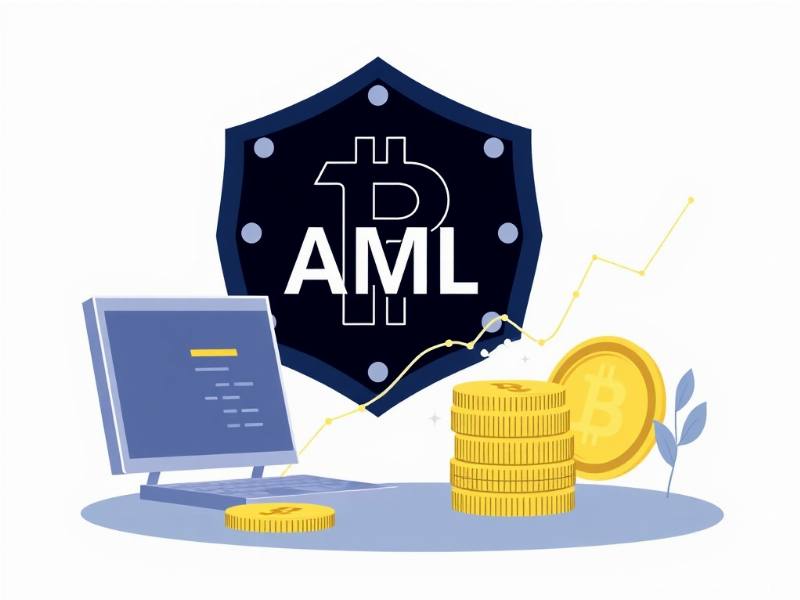
Anti-Money Laundering (AML) and Know Your Customer (KYC) regulations are central to the fight against financial crimes. However, crypto mixers often operate outside these frameworks, making it difficult for authorities to track suspicious activities. In jurisdictions where mixers are not required to implement AML/KYC measures, users can more easily engage in regulatory arbitrage. This lack of oversight creates a loophole that can be exploited for both legitimate and illicit purposes.
Cross-Border Enforcement
Enforcing regulations across borders is a significant challenge when dealing with regulatory arbitrage. A mixer based in one country may serve users in another, where different laws apply. This jurisdictional complexity can hinder regulatory efforts, as authorities may lack the legal mechanisms to hold foreign mixers accountable. Additionally, the decentralized nature of cryptocurrencies further complicates enforcement, as transactions can be conducted without a central authority.
Case Studies and Real-World Examples
Examining real-world examples of regulatory arbitrage involving crypto mixers provides valuable insights into the practical implications of this practice. These cases highlight the strategies used by users and the responses from regulators, offering a clearer picture of the challenges and opportunities involved.
Notable Incidents of Regulatory Arbitrage
One notable case involved a mixer based in a jurisdiction with minimal regulatory oversight that was used to facilitate transactions for users seeking to avoid AML requirements. The mixer’s anonymity allowed users to move funds between countries with varying regulations, effectively bypassing compliance checks. This case underscored the need for international cooperation to address the risks associated with regulatory arbitrage.
Regulatory Responses
In response to such incidents, some countries have taken steps to restrict or ban crypto mixers. For example, the European Union has proposed stricter regulations requiring mixers to implement KYC procedures. Similarly, the United States has targeted mixers that operate without proper licensing. These actions demonstrate the growing recognition of the risks posed by regulatory arbitrage and the need for proactive measures to mitigate them.
Future Trends and Developments
The landscape of regulatory arbitrage and crypto mixers is constantly evolving. As technology advances and regulatory frameworks become more sophisticated, the ways in which these tools are used and regulated will likely change. Understanding these trends is essential for stakeholders in the cryptocurrency space.
The Role of Technology in Combating Regulatory Arbitrage
Advancements in blockchain analytics and artificial intelligence are enabling regulators to track and monitor transactions more effectively. These technologies can help identify patterns of regulatory arbitrage and flag suspicious activities involving crypto mixers. As these tools become more widespread, they may reduce the effectiveness of regulatory arbitrage strategies, forcing users to adapt their approaches.
The Potential for Global Regulation
There is growing momentum toward harmonizing cryptocurrency regulations across jurisdictions. International organizations and regulatory bodies are working to establish common standards for crypto mixers and other financial services. If successful, this could significantly reduce the opportunities for regulatory arbitrage. However, achieving global consensus will require cooperation among countries with differing legal and economic priorities.
User Behavior and Adaptation
Users of crypto mixers are likely to adapt their strategies in response to regulatory changes. As certain jurisdictions tighten their rules, users may shift to mixers in more lenient regions. This dynamic underscores the need for continuous monitoring and education to ensure that users understand the legal implications of their actions. Additionally, the development of privacy-preserving technologies that comply with regulations could offer a middle ground between anonymity and compliance.
In conclusion, regulatory arbitrage crypto mixers represent a complex interplay between technology, law, and economics. While they offer privacy benefits, their potential for misuse necessitates careful regulation and international cooperation. As the cryptocurrency ecosystem continues to mature, the challenge will be to balance innovation with compliance, ensuring that the benefits of digital currencies are realized without compromising financial security.
Explore crypto compliance jurisdictional arbitrage strategies in the YoMix niche. Learn how to navigate regulatory challenges and optimize compliance for BTC transactions.
Discover the risks of undeclared crypto tax consequences for investors. Learn legal pitfalls, financial impacts, and strategies to avoid penalties. Stay compliant with crypto tax rules now!
Discover crypto AML risk assessment strategies for YoMix. Mitigate compliance challenges and enhance security in this niche. Essential insights for crypto professionals.
Explore risks, regulations, and future trends for politically exposed persons crypto. Learn how digital assets intersect with compliance challenges for high-risk individuals.
Explore the legal complexities of tainted bitcoin legal issues, illicit transactions, and regulatory hurdles. Learn compliance strategies for crypto businesses.
Sep 3, 2026 · 9 min
Ready to mix your coins?
It will take only a few minutes to upgrade your privacy